Chiropractors have threatened to leave ChiroTouch for years, usually over the same two complaints: price and support. That pressure hasn’t gone away in 2026. What’s changed is that ChiroTouch just gave practices a new reason to stay — Rheo, an AI scribe built specifically for chiropractic documentation, something none of the leading ChiroTouch alternatives currently offer.
The stakes in this decision are not small. Switching EHR/practice-management systems means rebuilding SOAP note templates and macros from scratch, migrating years of patient records, retraining front-desk and clinical staff, and often eating weeks of reduced schedule capacity during the transition. That’s thousands of dollars and months of disruption, not a weekend project.
The quick answer: Jane is the alternative most former ChiroTouch users land on, reportedly running about $54–120 per month against ChiroTouch’s reported $159–299 base pricing per provider. But ChiroTouch is currently the only platform in this category with a purpose-built chiropractic AI scribe, and that is a real tradeoff, not a marketing footnote. Every price and claim below is reported or vendor-stated — get a live quote before deciding.
ChiroTouch vs. the Alternatives: Quick Comparison
Pricing changes often and varies by practice size, so treat every figure below as reported at time of research, not a locked-in rate.
| Platform | Monthly cost (reported) | Upfront/setup (reported) | Contract lock-in | AI scribe | Chiropractic macros/features | Insurance/PI billing | Support sentiment | Best-fit |
|---|---|---|---|---|---|---|---|---|
| ChiroTouch | Core about $159, Advanced about $299/provider | About $2,000–$5,000 per current quotes | Annual contract, common | Yes — Rheo (native) | Deep, chiropractic-native | Strong, built for chiro billing/PI | Mixed to negative on r/Chiropractic | Practices that bill heavy insurance/PI and want native AI charting |
| Jane | About $54–120+/provider | Minimal, self-serve setup reported | Month-to-month | Add-on general AI Scribe (not chiro-specific) | Good, flexible templates | Weaker native insurance/PI per some users | Generally positive | Cash-based and hybrid practices prioritizing cost/flexibility |
| ChiroFusion | About $129–329, plus about $49/added provider | Reported low/no setup fee | Reported flexible terms | No dedicated AI scribe | Strong, chiropractic-built | Strong, purpose-built billing | Generally positive | Multi-provider practices needing solid billing without ChiroTouch pricing |
| ChiroSpring | About $129–249 | Reported low setup cost | Reported flexible | No dedicated AI scribe | Chiropractic-specific, newer platform | Adequate, improving | Limited public sentiment (newer vendor) | Practices wanting a modern chiro-specific UI without ChiroTouch’s cost |
| ChiroHD | About $299+/provider | Reported comparable to ChiroTouch | Reported contract-based | No dedicated AI scribe | Deep, chiropractic-native | Strong | Mixed | Practices unhappy with ChiroTouch support but not price-driven |
| SPRY | Visit-based pricing (reported, not flat monthly) | Reported quote-based | Reported flexible | Markets itself as “AI-native” (unverified specifics) | Multi-specialty, not chiro-first | Adequate | Limited public sentiment | Practices wanting usage-based pricing and willing to test AI claims |
| Tebra | About $149–499, custom quote | Reported quote-based | Reported contract-based | General AI features, not chiro-specific | Multi-specialty, generic | Adequate, not chiro-optimized | Mixed | Multi-discipline practices where chiropractic is one service line |
Why Chiropractors Are Looking at ChiroTouch Alternatives in 2026
The price complaints are the biggest driver. ChiroTouch’s Core tier reportedly runs about $159 per month per provider, with the Advanced tier reportedly closer to $299 — and that’s before add-ons like patient engagement tools or additional billing modules. Multi-provider practices see those numbers multiply fast.
The recurring complaint on r/Chiropractic isn’t the base price itself — it’s what happens at renewal. A consistent theme in that community describes contracts that auto-renew with built-in annual price increases reported at around 10%, arriving with little warning and less negotiating room. Practices that signed at one rate several years ago describe paying meaningfully more today for the same feature set.
Support is the second complaint, and it shows up almost as often. Threads on r/Chiropractic describe long ticket queues, inconsistent answers between reps, and frustration that issues affecting daily scheduling or billing don’t get resolved quickly. One recurring pattern in that subreddit involves practices calling support during a billing error and being told to submit a ticket instead — for a problem stopping same-day claims.
Setup costs add a third layer. Current quotes for onboarding a new ChiroTouch practice are reported in the $2,000–$5,000 range, but older anecdotal accounts on the same subreddit describe legacy server-based installs running $12,000–$16,000 — those figures are anecdotal and reflect a different, older deployment model, not current cloud pricing. Either way, switching away means eating a comparable setup cost with whatever comes next, which is exactly why so many practices stay put despite the complaints.
What’s New: ChiroTouch’s Rheo AI Scribe — What It Claims, What’s Unverified
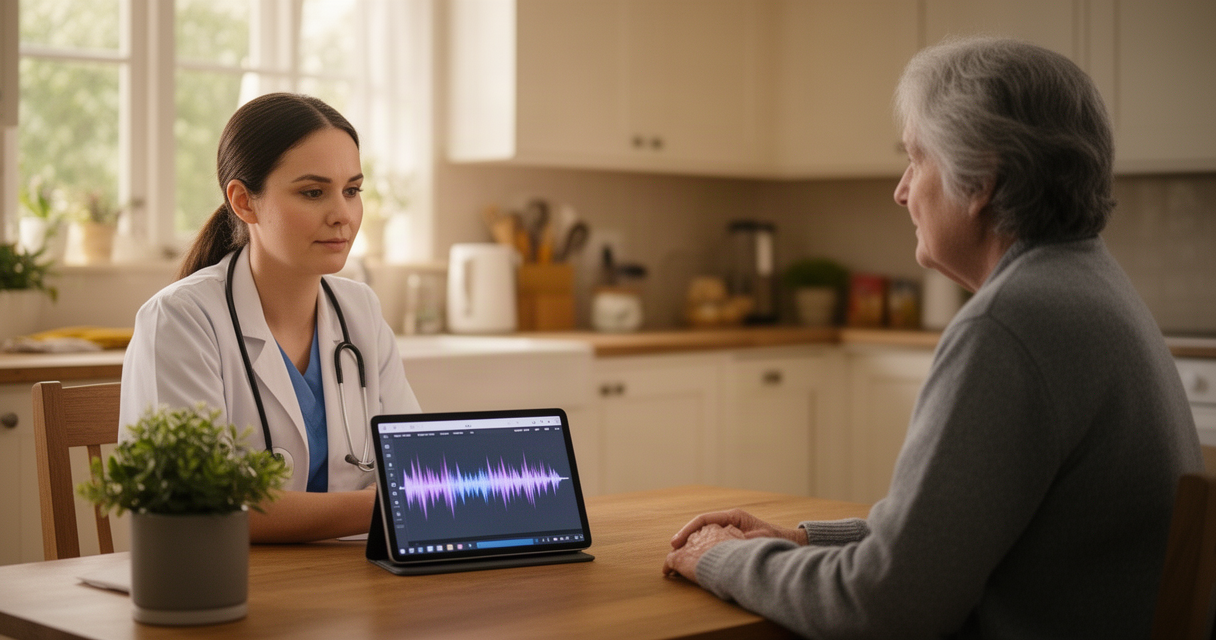
ChiroTouch launched Rheo, its native AI scribe, around October 2025. It listens during the patient encounter and drafts SOAP notes automatically, aimed at cutting the documentation time that eats into every chiropractor’s evening.
According to ChiroTouch’s own marketing, Rheo delivers up to 92% savings on charting time. That figure comes directly from the vendor — there is no independent study, third-party benchmark, or peer-reviewed data behind it in what’s publicly available. Treat it as a claim to test, not a fact to bank on. The broader shift toward AI-assisted charting is not unique to chiropractic — how AI medical scribes are reshaping documentation across specialties covers the same dynamic playing out across primary care and specialty medicine, where vendor time-savings claims routinely outpace what independent testing confirms.
Rheo is reportedly free to existing ChiroTouch subscribers, though that should be confirmed directly with a sales rep rather than assumed from marketing copy — bundled “free” features have a way of appearing as line items later. There is also, as of this writing, no meaningful community sentiment on Rheo. No wave of Reddit reviews, no complaints, no praise — the tool is too new for the usual pattern of practices reporting back on whether it actually works on real patient encounters. That absence is itself worth noting: any 92% figure repeated without a single independent user account behind it deserves more scrutiny, not less.
The Alternatives, One by One
Jane is the platform most former ChiroTouch users land on. Reported pricing runs about $54–120+ per month, month-to-month with no long-term contract. Jane’s general AI Scribe add-on handles note drafting but isn’t chiropractic-specific the way Rheo is. Some practices report its native insurance and PI billing tools are weaker than ChiroTouch’s, which matters for practices doing significant personal-injury casework.
ChiroFusion sits in a similar price band to ChiroTouch’s lower tier — reported at about $129–329 per month, plus roughly $49 for each added provider. It’s built specifically for chiropractic and generally reported as having strong billing tools, making it a candidate for practices that want ChiroTouch-level billing depth without ChiroTouch pricing.
ChiroSpring is a newer, chiropractic-specific platform reportedly priced around $129–249 per month. It’s positioned as a modern alternative built from the ground up for chiropractic workflows, though its newer market position means less public sentiment exists to validate long-term reliability at scale.
ChiroHD deserves a specific callout: it is reportedly priced at about $299+ per month, which puts it at parity with — not meaningfully below — ChiroTouch’s Advanced tier. Practices considering ChiroHD purely to save money should recheck that assumption; the appeal there is reportedly support and usability, not cost.
SPRY uses visit-based pricing rather than a flat monthly fee and markets itself as “AI-native.” That framing deserves the same skepticism applied to Rheo’s 92% claim — a marketing label isn’t a validated capability, and it should be tested on real charts before it factors into a decision. The pattern of vendors making unverified AI claims to differentiate isn’t unique to chiropractic software — how physical therapy practices are evaluating cheaper EHR alternatives documents the same SPRY positioning surfacing in adjacent specialty markets.
Tebra is a multi-specialty platform, reportedly priced at about $149–499 per month on a custom quote basis. It’s not chiropractic-specific, which makes it a reasonable fit for multi-discipline practices where chiropractic is one service line among several, but a weaker fit for a chiropractic-only practice that wants specialty-native templates.
Does Any ChiroTouch Alternative Have an AI Scribe?
Not one that matches Rheo’s chiropractic-specific design, as of this research. Jane offers a general AI Scribe add-on that works across disciplines but wasn’t built around chiropractic SOAP conventions specifically. SPRY markets itself broadly as “AI-native” without a named, chiropractic-specific scribe product to evaluate against Rheo directly.
If AI-assisted charting is the top priority in a software decision, ChiroTouch currently leads the category by default — not because Rheo is proven, but because nothing chiropractic-specific competes with it yet. That “currently” is doing real work, though. This space moves fast, and a chiropractic-specific scribe from Jane, ChiroFusion, or a new entrant could close that gap within a year.
What to Check Before You Switch
A software decision this size deserves due diligence beyond a pricing table. Before signing anything, practices should verify:
- Data migration process. ChiroTouch’s export process is reportedly manual and chart-by-chart in some cases — confirm with the new vendor exactly how patient history, notes, and billing records transfer, and get that process in writing.
- Macro and template rebuild time. Years of customized SOAP templates and adjustment macros don’t migrate automatically. Estimate the actual hours (or dollars, if a staff member’s time is billed) to rebuild them on the new platform.
- Contract auto-renewal and price-hike clauses. Read the renewal terms on any new contract as closely as the one being left — the goal is not to trade one auto-escalating contract for another.
- Insurance and PI billing on real cases. Run an actual test claim through the new system, particularly for personal-injury billing, before committing. Marketing pages don’t reveal claim-rejection quirks; real submissions do.
- Demo access on the practice’s own data. Any vendor willing to sell a multi-year contract should be willing to demo the system on real (or de-identified) charts first.
The same due-diligence pattern shows up across specialty EHR decisions generally — similar specialty-specific EMR comparisons covers how independent practices in other specialties weigh migration cost against feature gaps when evaluating a switch.
Our Take: Should You Actually Switch?
For cash-based or price-sensitive practices, Jane is the switch to make. The Reddit consensus on r/Chiropractic is close to unanimous on this point — practices frustrated with ChiroTouch’s cost structure and contract terms who move to Jane report it as a net improvement, particularly for smaller, cash-heavy patient bases that don’t lean hard on insurance billing.
For practices with heavy insurance or PI billing and years of macros already built in ChiroTouch, the calculation changes. The switching cost — rebuilt templates, retrained staff, migrated records, tested billing workflows — can exceed the savings, especially against ChiroHD or Tebra, both of which are reportedly priced at or above ChiroTouch’s own rates. Those two are better used as leverage in a renewal negotiation than as a genuine cost-cutting destination, since neither is actually cheaper. The same pricing-leverage logic applies in other specialty software negotiations — see how it plays out in a specialty EHR vendor comparison for dermatology practices facing a comparable renewal standoff.
For practices where documentation time is the real bottleneck, Rheo is worth evaluating — but only after a live demo on the practice’s own notes, not on ChiroTouch’s marketing claims. A 92% time-savings figure with zero independent verification and zero community track record is a hypothesis, not a result.
Overall: the price and support complaints driving practices toward alternatives are legitimate and well-documented on r/Chiropractic. Rheo is the first genuine reason to stay with ChiroTouch that isn’t simply inertia or switching-cost fatigue. But a vendor’s own performance claim about its own product is not independent proof — it’s a claim, and it should be treated as one until enough practices have actually run it on real patients to say otherwise.
The Bottom Line
Jane wins on price and flexibility for practices not deeply tied to insurance billing complexity — that verdict holds up against real community evidence, not just a pricing table. ChiroTouch wins, for now, on chiropractic-specific AI charting, but that edge rests entirely on an unverified vendor claim. The right move is to get quotes from at least two alternatives, run a real insurance claim or two through each finalist, and ask ChiroTouch directly for a Rheo demo on the practice’s own patient notes before renewing anything. Whichever way it goes, no chiropractor should sign a multi-year renewal based on a number the vendor made up about its own product.
FAQ
Is ChiroTouch still worth the price in 2026?
For practices heavy on insurance and personal-injury billing, ChiroTouch’s native billing depth and now Rheo make a reasonable case — provided the price hikes at renewal are negotiated down. For cash-based practices without complex billing needs, the reported cost gap versus Jane is hard to justify.
What is the cheapest ChiroTouch alternative?
Jane is reportedly the cheapest at about $54–120+ per month, well below ChiroTouch’s reported $159–299 base pricing. ChiroFusion and ChiroSpring sit in a middle tier, both reportedly cheaper than ChiroTouch’s Advanced plan while remaining chiropractic-specific.
Does Rheo actually save 92% of charting time?
That figure comes directly from ChiroTouch’s own marketing and has no independent verification or published community track record as of this research. Practices considering it for that reason specifically should request a live demo on their own patient notes before trusting the number.
Which ChiroTouch alternative handles insurance and PI billing best?
ChiroFusion is reported to have particularly strong native billing tools among the chiropractic-specific alternatives. Jane’s native billing is reportedly weaker for insurance and PI-heavy caseloads, which matters more for practices built around those revenue streams than for cash-based ones.
How much does it actually cost to switch EHR systems as a chiropractic practice?
There’s no single verified figure, since it depends on practice size, data volume, and how many custom macros exist. Between new vendor setup fees (reportedly $2,000–$5,000 for a comparable cloud platform), staff retraining time, and lost scheduling capacity during migration, practices should budget for a real cost even when the new platform’s sticker price is lower.
References
- ChiroTouch — official pricing and Rheo AI scribe pages — https://www.chirotouch.com
- Jane — official pricing page — https://jane.app
- ChiroFusion — official pricing page — https://www.chirofusion.com
- ChiroSpring — official pricing page — https://chirospring.com
- ChiroHD — official pricing page — https://chirohd.com
- SPRY — official pricing/product page — https://sprypt.com
- Tebra — official pricing page — https://www.tebra.com
- r/Chiropractic — aggregated community threads on ChiroTouch pricing, contract renewal, and support experiences