You’ve tried counting sheep, downloading white noise apps, and even flipping your pillow to the cool side — but you’re still waking up exhausted.
You’re not alone. According to the CDC, one in three adults don’t get enough quality sleep. And here’s the real problem: most quick fixes address symptoms rather than the root causes of poor sleep. That sleep spray you bought? It might help you doze off, but it won’t fix the reason you’re tossing and turning at 2 AM.
This guide covers 12 science-backed methods to improve your sleep quality naturally — no prescriptions, no gimmicks — so you wake up feeling genuinely rested.
Quick answer: Improve sleep quality naturally by keeping a consistent sleep schedule, limiting blue light 1-2 hours before bed, keeping your bedroom cool (65-68°F), and avoiding caffeine after 2 PM. These four changes alone can dramatically improve sleep onset and duration.
Why Sleep Quality Matters More Than Sleep Duration
Here’s something most people get wrong about sleep: it’s not just about how long you sleep. It’s about how well you sleep.
You could spend nine hours in bed and still wake up feeling like you got hit by a truck. That’s because sleep quality — the amount of time you spend in deep and REM sleep stages — matters far more than total hours logged.
Deep sleep is where your body repairs muscles, strengthens your immune system, and consolidates memories. REM sleep is when your brain processes emotions and creativity peaks. Without enough of both, you’re running on fumes no matter what the clock says.
The numbers paint a grim picture:
- 1 in 3 adults don’t get enough quality sleep (CDC)
- Sleep deprivation costs the US economy $411 billion annually (RAND Corporation)
- Poor sleep is linked to a 48% increased risk of heart disease and a 36% increased risk of colorectal cancer
Beyond the long-term health risks, poor sleep quality destroys your day-to-day performance. Cognitive function drops significantly after just one night of fragmented sleep — your reaction time slows, decision-making suffers, and your emotional regulation takes a nosedive.
The good news? You can fix this. And you don’t need a prescription to do it.
How to Improve Sleep Quality Naturally: 12 Proven Strategies
These natural sleep remedies that work are backed by clinical research and sleep medicine experts. Start with the first four — they deliver the biggest impact — then layer in the rest over time.
1. Keep a Consistent Sleep Schedule — Even on Weekends
Your body runs on a circadian rhythm — an internal clock that regulates when you feel awake and when you feel sleepy. Every time you shift your bedtime or wake-up time, you’re essentially giving yourself jet lag.
What to do:
- Pick a bedtime and wake-up time and stick to them seven days a week
- Keep your window within 30 minutes — even on weekends
- If you need to adjust, shift by 15 minutes per day rather than making a sudden change
This single habit is what most sleep researchers consider the number one sleep hygiene tip for adults. It trains your brain to release melatonin at the right time and makes falling asleep feel automatic.
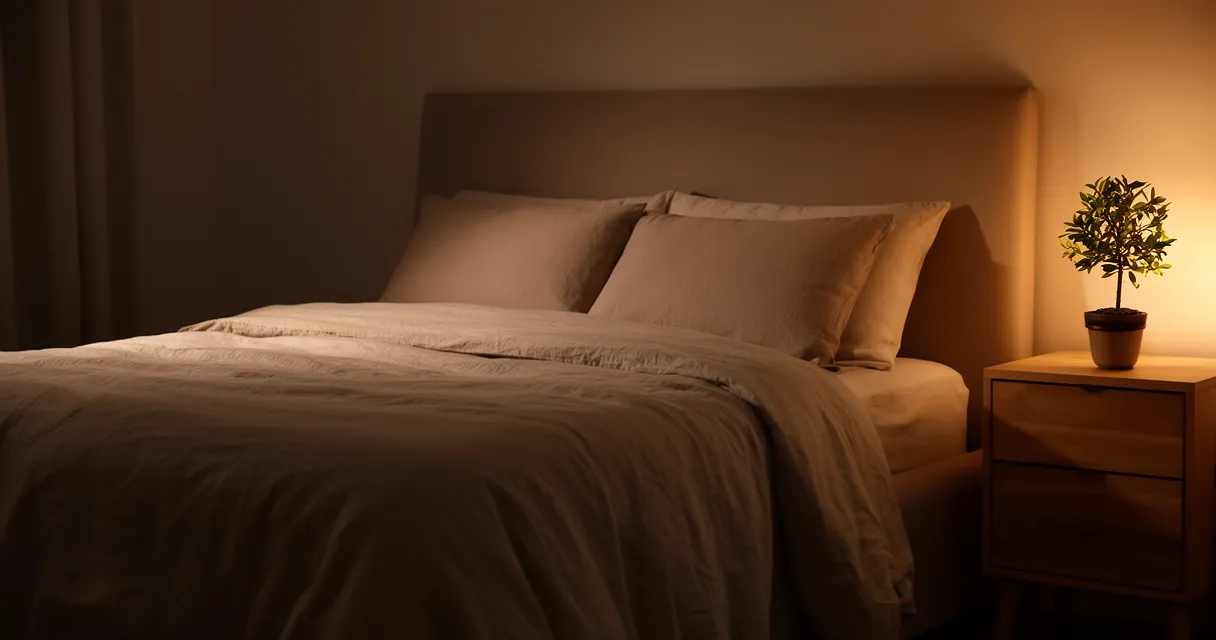
2. Create a Cool, Dark Sleeping Environment (65-68°F)
Your body temperature naturally drops when it’s time to sleep. A hot bedroom fights against this process and keeps you in lighter sleep stages.
The ideal sleep environment:
- Temperature: 65-68°F (18-20°C) — this is the sweet spot backed by sleep research
- Darkness: Use blackout curtains or a quality sleep mask to block all light
- Sound: Keep it quiet, or use a consistent white or brown noise source
- Bedding: Choose breathable, moisture-wicking materials
Even a small LED light from a charger or alarm clock can interfere with melatonin production. Make your room as close to a cave as possible.
3. Limit Blue Light Exposure 1-2 Hours Before Bed
This one’s a game-changer. Harvard Health research shows that exposure to blue light before bed suppresses melatonin production by up to 50%. That means your phone, tablet, laptop, and TV are actively sabotaging your sleep.
How to reduce blue light exposure:
- Stop using screens 1-2 hours before bedtime (the gold standard)
- If you must use devices, enable Night Shift or Night Light mode
- Wear blue light blocking glasses in the evening
- Switch to warm, dim lighting in your home after sunset
This is one of the most effective science-backed ways to sleep better — and one of the hardest habits to adopt. Start with 30 minutes of screen-free time before bed and build up from there.
4. Build a 30-Minute Wind-Down Routine
Your brain can’t go from scrolling Twitter to deep sleep in five minutes. It needs a transition period — a signal that it’s time to power down.
The best nighttime routine for better sleep includes 2-3 calming activities done in the same order each night:
- Read a physical book (not on a screen)
- Stretch gently or do restorative yoga
- Take a warm bath or shower — the post-bath temperature drop signals your body it’s sleep time
- Listen to calming music or a sleep meditation
- Write in a journal to offload the day’s thoughts
Consistency is key. When you do the same routine nightly, your brain starts associating those activities with sleep. Within two weeks, you’ll notice you start yawning before the routine is even over.
5. Cut Caffeine After 2 PM
Caffeine has a half-life of 5-6 hours. That means if you drink coffee at 4 PM, half of that caffeine is still circulating in your system at 10 PM. Even if you can fall asleep, caffeine reduces the amount of deep sleep you get.
Rules of thumb:
- Set a caffeine cutoff of 2 PM (or earlier if you’re sensitive)
- Watch for hidden caffeine in chocolate, tea, soda, and some medications
- If you need an afternoon pick-me-up, try a 10-minute walk instead — it boosts alertness without disrupting sleep
Some people metabolize caffeine slowly due to genetics. If you suspect this applies to you, consider moving your cutoff to noon.
6. Exercise Regularly — But Not Too Late
Regular exercise is one of the most powerful natural sleep remedies that work. Research published in the Journal of Clinical Sleep Medicine shows that regular physical activity can improve sleep quality by up to 65%.
How to exercise for better sleep:
- Aim for 30 minutes of moderate exercise most days
- Morning or afternoon workouts are ideal for sleep
- Avoid vigorous exercise within 3 hours of bedtime — it raises your core temperature and stimulates your nervous system
- Even a daily 20-minute walk makes a measurable difference
You don’t need to run marathons. Consistent, moderate movement is what matters. For a holistic approach, check out our complete health tracking guide to monitor how exercise affects your sleep patterns.
7. Try Natural Sleep Supplements (Magnesium, Melatonin)
Certain supplements have genuine research behind them — but they work best as part of a broader sleep strategy, not as standalone fixes.
Evidence-backed options:
- Magnesium glycinate (200-400mg): Helps calm the nervous system and supports muscle relaxation. Many adults are deficient without knowing it.
- Melatonin (0.5-3mg): Useful for resetting your circadian rhythm, especially after travel or schedule changes. Start with the lowest dose.
- L-theanine (200mg): Found naturally in tea, it promotes relaxation without drowsiness.
- Glycine (3g): An amino acid that may lower core body temperature and improve subjective sleep quality.
Important: Always consult your healthcare provider before starting supplements, especially if you take other medications. More is not better — particularly with melatonin, where high doses can actually disrupt sleep.
8. Use the 4-7-8 Breathing Technique
If you want to know how to fall asleep faster without medication, this technique is your best friend. Developed by Dr. Andrew Weil, the 4-7-8 method activates your parasympathetic nervous system — the “rest and digest” mode.
How to do it:
- Breathe in through your nose for 4 seconds
- Hold your breath for 7 seconds
- Exhale slowly through your mouth for 8 seconds
- Repeat for 4 cycles
It feels awkward the first few times. That’s normal. With practice, this technique can help you fall asleep in under 2 minutes. It works by slowing your heart rate and signaling to your brain that it’s safe to sleep.
9. Keep a Sleep Diary to Identify Patterns
You can’t improve what you don’t measure. A sleep diary helps you spot patterns you’d never notice otherwise — like how that “harmless” glass of wine on Thursdays is wrecking your Friday mornings.
What to track daily:
- What time you went to bed and woke up
- How long it took you to fall asleep
- How many times you woke up during the night
- How you felt upon waking (1-10 scale)
- Caffeine, alcohol, exercise, and stress levels
After two weeks, patterns emerge. You might discover that your worst sleep follows days when you skip exercise or eat late. Our guide on how to keep a symptom diary walks you through setting up an effective tracking system.
10. Limit Alcohol Before Bed
Alcohol is the most misunderstood sleep disruptor. Yes, it makes you drowsy. But it destroys sleep quality in the second half of the night.
Here’s what happens: alcohol suppresses REM sleep during the first few hours, then causes fragmented, shallow sleep as your body metabolizes it. You wake up having “slept” but without the restorative stages your brain needs.
Guidelines:
- Stop drinking at least 3-4 hours before bedtime
- Limit yourself to 1-2 drinks if you choose to drink
- Hydrate with water alongside alcohol — dehydration compounds sleep disruption
Track your alcohol intake alongside your sleep quality using our track your daily water intake resource to see the direct correlation.
11. Manage Stress With Journaling or Meditation
A racing mind is the enemy of sleep. If you lie awake replaying conversations or worrying about tomorrow’s to-do list, stress management isn’t optional — it’s essential.
Two proven techniques:
Journaling (5-10 minutes before bed):
- Write a “brain dump” of everything on your mind
- List three things that went well today (gratitude journaling)
- Write tomorrow’s to-do list so your brain can stop holding it
Meditation (10-15 minutes before bed):
- Try body scan meditation — progressively relax each muscle group
- Use guided sleep meditations from apps like Calm or Headspace
- Practice yoga nidra, a form of guided relaxation that mimics the transition to sleep
Both techniques lower cortisol levels and activate the relaxation response. Even five minutes makes a difference.
12. Get Morning Sunlight Within 30 Minutes of Waking
This might be the most underrated tip on this list. Morning sunlight exposure is one of the single most powerful regulators of your circadian rhythm.
When bright light hits your eyes in the morning, it:
- Resets your internal clock and tells your brain “it’s daytime”
- Triggers a cortisol pulse that helps you feel alert
- Sets a timer for melatonin release approximately 14-16 hours later
How to do it:
- Get 10-30 minutes of direct sunlight within 30 minutes of waking
- Go outside — window glass blocks much of the beneficial light spectrum
- On cloudy days, spend more time outside (you still get significant light exposure)
- If morning sunlight isn’t possible, consider a 10,000 lux light therapy lamp
This is a keystone habit. It improves both your morning energy and your nighttime sleep quality. Pair it with tracking your daily health metrics using our how to track daily health metrics guide for maximum impact.
How AI and Health Tech Can Help You Sleep Better
Technology got us into this sleep mess (hello, infinite scrolling). But the right technology can also help get us out.
AI-powered sleep trackers have evolved dramatically in 2026. Here’s what’s actually worth your attention:
Wearable Sleep Trackers:
- Devices like the Oura Ring, WHOOP, and Apple Watch now use advanced sensors to track sleep stages, heart rate variability (HRV), blood oxygen levels, and skin temperature.
- AI algorithms analyze your data over time and provide personalized recommendations — like suggesting an earlier bedtime based on your recovery trends.
Smart Alarms:
- AI-driven alarms like those in Sleep Cycle wake you during your lightest sleep phase within a set window, so you feel refreshed instead of groggy.
- Some devices adjust your alarm based on real-time sleep stage detection, which is a major leap from simple motion-based tracking.
AI-Driven CBT-I Programs:
- Cognitive Behavioral Therapy for Insomnia (CBT-I) is the gold-standard treatment for chronic sleep problems — and AI is making it accessible to everyone.
- Apps like Pear Therapeutics’ Somryst and Sleepedy deliver personalized CBT-I protocols that adapt to your progress.
- These programs are clinically validated and often as effective as in-person therapy.
Smart Home Integration:
- AI systems can automatically dim lights, adjust thermostat, and reduce noise based on your sleep schedule.
- Some setups learn your patterns and create the optimal sleep environment without you lifting a finger.
The key is using technology intentionally. A sleep tracker that stresses you out about your sleep score is counterproductive. Use these tools as information sources, not report cards.
What to Avoid: Common Sleep Mistakes That Ruin Your Rest
Knowing what not to do is just as important as building good habits. Here are the most common sleep mistakes:
- Hitting the snooze button: Each snooze cycle puts you into fragmented, low-quality sleep that makes you groggier. Get up with your first alarm.
- Sleeping in on weekends: A 2-3 hour shift creates “social jet lag” that takes days to recover from. Keep your schedule consistent.
- Using your bed for work or scrolling: Your brain should associate your bed with sleep and intimacy only. Work from a desk, watch TV from a couch.
- Napping too long or too late: Naps over 20 minutes or after 3 PM can steal from your nighttime sleep pressure.
- Eating heavy meals before bed: A full stomach diverts energy to digestion and can cause acid reflux. Stop eating 2-3 hours before sleep.
- Clock-watching when you can’t sleep: Staring at the time increases anxiety. Turn your clock away from view.
- Forcing sleep: If you can’t fall asleep after 20 minutes, get up and do something calming in dim light. Return to bed only when you feel sleepy.
- Relying solely on supplements: Supplements support good sleep habits — they don’t replace them. Fix the fundamentals first.
Frequently Asked Questions
What is the best natural remedy for better sleep?
The single most effective natural remedy is maintaining a consistent sleep schedule — going to bed and waking up at the same time every day, including weekends. Research consistently shows this has a greater impact on sleep quality than any supplement or gadget. If you add one habit, make it this one. For supplemental support, magnesium glycinate (200-400mg) has the strongest evidence base among natural sleep aids.
How long does it take to improve sleep quality naturally?
Most people notice meaningful improvements within 2-4 weeks of consistent changes. Some strategies, like reducing blue light exposure and optimizing bedroom temperature, can produce results within a few days. Building a reliable sleep-wake schedule typically takes 2-3 weeks as your circadian rhythm adjusts. The key is consistency — sporadic efforts won’t reset your internal clock. Track your progress with a sleep diary so you can see improvements that might not be obvious night to night.
Does exercise help you sleep better at night?
Yes — and the evidence is strong. Studies published in the Journal of Clinical Sleep Medicine show that regular exercise can improve sleep quality by up to 65%. The best results come from moderate aerobic exercise (like brisk walking, swimming, or cycling) done consistently, ideally in the morning or afternoon. Avoid vigorous workouts within 3 hours of bedtime, as the elevated core temperature and adrenaline can delay sleep onset. Even 20-30 minutes of daily movement makes a significant difference.
What temperature is best for sleeping?
Sleep researchers consistently recommend a bedroom temperature of 65-68°F (18-20°C) for optimal sleep. Your core body temperature needs to drop by about 2-3°F to initiate sleep, and a cool room supports this process. If 65°F feels too cold, start at 68°F and experiment downward. Using breathable bedding and keeping your feet slightly uncovered can also help regulate temperature naturally. Everyone is slightly different, so find the specific temperature within this range that works best for you.
Can tracking your sleep actually help improve it?
Absolutely — with a caveat. Sleep tracking helps you identify patterns and triggers you wouldn’t otherwise notice. A sleep diary or wearable tracker can reveal how caffeine timing, exercise, stress, and alcohol specifically affect your sleep. This data makes your improvement efforts targeted rather than guesswork. The caveat: don’t let tracking become a source of anxiety. A condition called orthosomnia — obsessing over sleep data — can actually worsen sleep. Use tracking as a tool for insight, review your data weekly rather than nightly, and focus on trends over individual nights.
Conclusion
Improving your sleep quality naturally isn’t about finding one magic trick. It’s about building a system of habits that work together to support your body’s natural sleep processes.
Start with the big four: a consistent sleep schedule, a cool and dark bedroom, reduced blue light exposure, and a caffeine cutoff. Once those are locked in, layer in the remaining strategies — morning sunlight, exercise timing, stress management, and the others — at your own pace.
Remember, you didn’t develop poor sleep habits overnight, and you won’t fix them overnight either. Give yourself 2-4 weeks of consistent effort before judging results. Track your progress, be patient, and trust the process.
Your best sleep isn’t behind a prescription pad. It’s built into the daily choices you make — starting tonight.
Ready to take control of your health beyond sleep? Explore our complete health tracking guide to build a comprehensive wellness routine that supports better sleep, energy, and overall well-being.