A patient hands over a vision plan card for what is, medically, an emergency-adjacent visit — flashes, floaters, a family history of glaucoma. Nobody catches the mismatch, because nothing about it triggers a denial. The claim just pays out at the lower vision-plan rate, quietly, every time it happens.
In a one-to-three-doctor optometry practice, that leak is the office manager’s whole day: reading insurance cards, typing them into the EHR, guessing at the reason for a visit before the doctor ever sees the patient. Hiring another front-desk staffer to catch it costs roughly $35,000-$45,000 a year, plus training, plus the turnover risk that comes with entry-level front-desk work. AI patient intake software promises to fix the routing and data-entry problem before the patient sits down — but it’s a new $2,400-$4,800-a-year line item on top of whatever the practice already pays for patient communication, and this piece is direct about when that expense is actually justified.
For most independent OD practices, Doctora is the strongest pick: it’s built around optometry EHRs — RevolutionEHR, Eyefinity, CrystalPM, Compulink are reported integrations, worth confirming on the current vendor site — and it writes structured fields into the chart only after a staff member reviews and approves them. But before any of the three tools below gets a signature, it’s worth checking whether the practice’s existing patient-communication platform already covers most of this job. This is administrative AI — intake forms, insurance capture, routing — not diagnostic AI. Nothing in this category reads a scan or makes a clinical call; for that separate category, see AI diagnostic tools built specifically for eye care. None of this is medical or diagnostic advice.
What AI Patient Intake Software Actually Does (vs. a Digital Form)
A static digital form is conditional logic at best — check a box, get a follow-up question, done. Adaptive AI intake is a distinct category, and independent coverage of the space (optometry.industry411.com) treats it that way rather than as a chatbot skin bolted onto a form: the tool adjusts its follow-up questions based on what the patient actually reports, asking more about onset and duration if someone mentions flashes, and flagging inconsistent answers for staff to review.
Vendors in this space describe flagging urgent symptoms — sudden vision loss, eye pain, flashes and floaters — for staff attention. That flag is vendor-described, not a clinical or diagnostic determination. A human still has to see it and act on it. None of these tools practice medicine, and none should be treated as a triage safety net on their own.
The mechanism is consistent across all three tools in this roundup: the AI drafts structured fields — history, insurance, ID, reason for visit — and a staff member reviews and approves before anything writes to the EHR. None of them are set-and-forget. That review step is also the line between what this category can responsibly do and what it can’t: intake, scheduling, and eligibility capture are low clinical risk, while retinal screening and OCT interpretation sit in a different risk category entirely, with a different buying process attached.
There’s a genuine, non-hyped advantage to moving intake to a private, at-home step rather than an open lobby. One practitioner on r/optometry described the alternative bluntly: “You can discuss this all you want at scheduling, checkin, etc. but the only true answer is to stop taking vision plans… it’s not appropriate to discuss their diabetes/glaucoma at the checkin desk in the open.” A patient filling out history and symptom detail on their own phone, before arrival, sidesteps that problem in a way a front-desk conversation never fully can.
Do You Even Need a Dedicated Tool? The Reality Check
Before signing up for a $2,400-$4,800-a-year niche tool, it’s worth an inventory of what the practice’s existing patient-communication platform already does. Many generalist platforms already handle digital intake forms, appointment reminders, and two-way messaging — see the patient communication platform a practice may already run for what that category typically covers. A dedicated AI intake tool only earns its keep on top of that baseline, not as a replacement for capability already being paid for.
Community evidence on r/optometry suggests some practices solved most of their misrouting problem with a process change, not a purchase. One practice manager described pushing the decision earlier in the workflow: “We push the routing call all the way up to scheduling, not intake. Whoever books the appt has to pick a reason from a short list, and a few of those reasons are hard-coded as medical so the payer field gets pre-set before the patient ever walks in… The thing that actually made it stick was a monthly report of visits where a medical-flagged reason got billed to the vision plan anyway.”
Another practitioner described a similar fix built entirely around staff training rather than software: “We honestly don’t have a ton of trouble since we started asking for complaints at booking. Med complaints go in a booking comments section so the work up tech knows to get an HPI that’s medical… Educating new staff on med vs routine is the most important part of their training.”
The community is also openly tired of vendor pitches disguised as questions. One commenter on r/optometry called it out directly: “What is the deal with this same post every week, is this Weave or ConstantContact doing market research or something?” That fatigue is a useful signal — a scheduling-reason checklist and a monthly exception report cost nothing, and by the accounts above, they close most of the gap a paid tool is being sold to fix.
A dedicated AI intake tool earns its cost in different circumstances: multi-location practices where a scheduler-level fix doesn’t scale across sites, high enough patient volume that manual review becomes the bottleneck, or a genuine need for structured EHR write-back rather than just a filled-out form.
The 3 Best AI Patient Intake Tools for Optometry, Ranked
Doctora ranks first for the tightest fit with optometry-specific EHRs and its structured, review-then-write workflow. Perspective AI ranks second for the richest conversational intake experience, held back mainly by pricing opacity. HelloMateAI ranks third — not because it’s weaker, but because it solves a different, narrower problem: missed phone calls, not messy forms.
#1. Doctora (doctora.io) — Best for EHR Write-Back in a 1-3 Doctor Practice
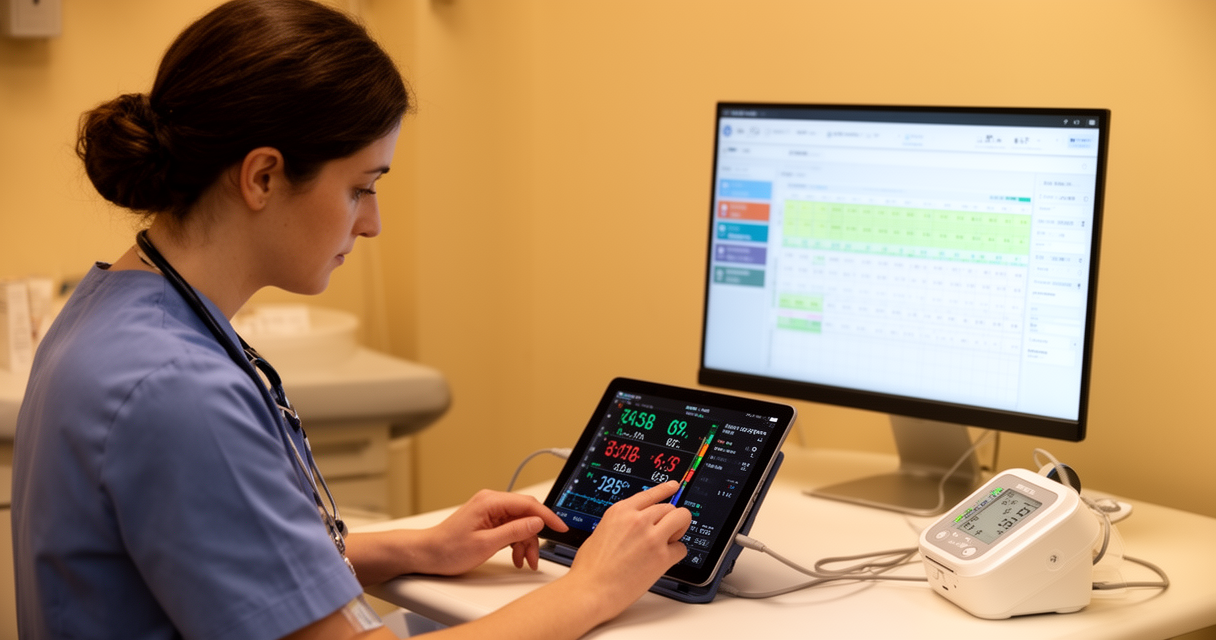
Patients complete history, insurance, and ID capture at home on their phone before the visit. Doctora reads the insurance card, checks eligibility, and drafts the structured fields that would otherwise be typed in manually at the desk. Front desk staff review one summary screen and approve it — nothing writes to the EHR without that sign-off.
Pricing is reported (confirm current figures on the vendor site) at roughly $199/month for the Advanced tier, about $2,388/year billed annually, and roughly $399/month for Pro, about $4,788/year, which reportedly adds custom AI models and multi-location support. Reported EHR integrations include RevolutionEHR, Compulink, Eyefinity, and CrystalPM — vendor pages vary, so confirming the exact list for a given practice’s EHR before buying is worth the five minutes.
Doctora ranks first because it’s the only one of the three built explicitly around write-back into an optometry-specific EHR, rather than a generic form or a phone-answering agent. The pricing page appears to blend AI-scribe and AI-intake features in the same tiers, so confirming exactly what Advanced versus Pro includes for intake specifically — not scribing — matters before signing. The discounted annual price also implies a yearly commitment rather than a month-to-month arrangement.
#2. Perspective AI (getperspective.ai) — Best for Richest Conversational Intake
Perspective AI runs intake as an adaptive conversation rather than a static branching form, asking clinically relevant follow-ups the way an intake nurse might — onset, severity, duration, prior treatment — and capturing narrative detail that a dropdown menu simply discards.
Pricing for the healthcare/intake product is not publicly listed; it’s quote-based. Worth flagging directly: an unrelated, similarly named consumer product at a different domain has public pricing around $14.99, but that figure belongs to a different product entirely and has nothing to do with this healthcare intake tool. Anyone comparing pricing should get a quote from getperspective.ai directly rather than trusting a number found elsewhere.
The conversational depth is a real advantage for practices that want richer symptom narrative than a form provides. It ranks second rather than first because the lack of public pricing is a genuine friction point for a cost-conscious small practice trying to compare options before picking up the phone for a sales call.
#3. HelloMateAI (hellomateai.com) — Best If Your Bottleneck Is the Phone, Not the Form
HelloMateAI is a conversational AI voice agent that answers inbound calls, schedules exams, handles intake by phone, and triages urgent symptoms verbally. It’s better understood as a phone-answering tool that happens to do intake than as an intake-form replacement.
Pricing is reported as minute- or usage-based, scaling with call volume. Some plans reportedly run month-to-month with no long-term contract, and a 7-day trial with a refund guarantee on the managed-service fee has been reported — all figures worth confirming directly with the vendor. Delivery is a managed service that HelloMateAI’s team builds and configures, rather than a self-serve signup.
This ranks third not because it’s a weaker product, but because it solves a different problem. A practice whose real bottleneck is missed calls and scheduling phone-tag will get more value here than from a form-focused tool; a practice whose intake forms are the mess should look at Doctora or Perspective AI instead.
The Real ROI for a 1-3 Doctor Practice
Intake errors that don’t trigger a denial — they just quietly underpay — are the hardest kind of loss to measure, which is exactly why they’re expensive. There’s no optometry-specific, verified statistic for how much a dedicated AI intake tool saves a small practice, and inventing one would be dishonest.
For context only, and explicitly not an optometry figure: a dental-front-desk AI founder writing on Hacker News described front-desk staff costing roughly $40,000-$50,000 a year with around 40% annual turnover, and 2-3 hours a day spent on manual eligibility checks. That’s a self-reported, unverified, industry-adjacent ballpark from a different specialty — useful as a sense of scale, not a number to plug into an optometry ROI calculation.
The real question is practice-specific: does a $2,388-$4,788-a-year tool save more staff time and prevent more misrouted or underpaid claims than it costs? That’s the same buy-or-skip calculus that applies to AI prior authorization software for small practices — a category with the same structural problem of real cost against unmeasured savings.
The optometry community itself acknowledges the measurement gap. One commenter on r/optometry put it plainly: “Most denial management processes start from the denial backwards… but nobody seems to be tracking whether the denial originated at check-in or in the billing workflow itself. In optometry specifically i’d expect a large chunk to trace back to the routing decision before billing ever touched it… but i’ve never seen a practice actually measure this systematically.” If the people running these practices don’t have a number, no vendor pitch should be trusted to supply one.
HIPAA & the Human-in-the-Loop Guardrail
Patient data — history, insurance, ID — passes through a third-party AI vendor before a human ever approves it. That’s a due-diligence checklist item, not a reason to avoid the category: confirm a signed Business Associate Agreement and HIPAA-compliant data handling directly with each vendor before onboarding, and get it in writing.
The human-in-the-loop step — staff reviewing and approving before anything writes to the EHR — is the actual safety and compliance guardrail here, not a limitation of the technology. It’s the reason this category is low-risk enough to recommend at all. It’s worth repeating that the urgent-symptom flag these tools generate still needs a staff member to see it and act on it; it is not a clinical safety net, and none of this constitutes medical advice.
Our Verdict: Who Should Pick Which
Doctora is the pick for a practice that wants structured write-back into an optometry-specific EHR and is comfortable with annual-discount pricing. Perspective AI is the pick when rich narrative symptom capture matters more than being able to compare pricing without a sales call. HelloMateAI is the pick when the real bottleneck is missed phone calls and scheduling phone-tag, not the intake form itself.
None of the three is the right pick — yet — for a practice that hasn’t confirmed its existing patient-comms platform can’t already do most of this, or that hasn’t tried a free process fix first: a hard-coded reason-for-visit list at scheduling and a monthly exception report, per the r/optometry accounts above, closed most of the gap without a subscription.
Two related front-desk decisions worth the same scrutiny: AI no-show reduction software for the appointment side of the workflow, and, for practices that only need the insurance-eligibility piece rather than full intake, dedicated eligibility verification tools built for independent practices.
The Bottom Line
Doctora is the strongest choice for most one-to-three-doctor optometry practices that decide a dedicated tool is worth buying, on the strength of its EHR write-back and optometry-specific integrations. But that decision should come after checking the existing patient-comms platform’s coverage and trying a free scheduling-level fix first.
A concrete next step: pull last quarter’s vision-plan claims and spot-check five of them for a medical complaint billed as routine. Finding even one is the first-year ROI case — for or against buying.
The AI isn’t the hard part here. Getting the front desk to ask the right question before the patient sits down always was, and still is, whether or not a practice pays a vendor for it.
FAQ
What does AI patient intake software actually do for an optometry practice?
It drafts structured fields — patient history, insurance details, ID, reason for visit — from information the patient enters at home, then hands that draft to staff for review and approval before it writes to the EHR. It does not make clinical decisions or replace a doctor’s judgment.
Is AI patient intake software HIPAA compliant?
That depends entirely on the vendor’s actual data handling and whether they’ll sign a Business Associate Agreement. Confirm both directly with the vendor before onboarding — don’t assume compliance from marketing copy alone.
How much does AI patient intake software cost for a small optometry practice?
Reported pricing for Doctora runs roughly $2,388-$4,788 a year depending on tier, billed annually — confirm current numbers on the vendor site. Perspective AI’s healthcare pricing is quote-based and not publicly listed. HelloMateAI is reported as usage-based, scaling with call volume.
Does AI patient intake replace my front desk staff?
No. Every tool in this roundup requires a staff member to review and approve the drafted intake before anything writes to the EHR. The stated goal is reducing manual data entry and misrouted visits, not eliminating the front-desk role.
Do I need a separate AI intake tool if I already use a patient communication platform like Spruce, Klara, or OhMD?
Possibly not. Many generalist platforms already handle digital intake forms, reminders, and messaging; a dedicated AI intake tool is worth the added cost mainly when structured EHR write-back or adaptive, conversational intake is the specific gap.
What’s the difference between AI patient intake and AI diagnostic tools in optometry?
Intake tools handle administrative capture — history, insurance, scheduling — and flag urgent symptoms for staff to review; they carry low clinical risk. Diagnostic AI tools, such as retinal screening or OCT-interpretation software, make or assist clinical determinations and sit in a substantially different risk and regulatory category.